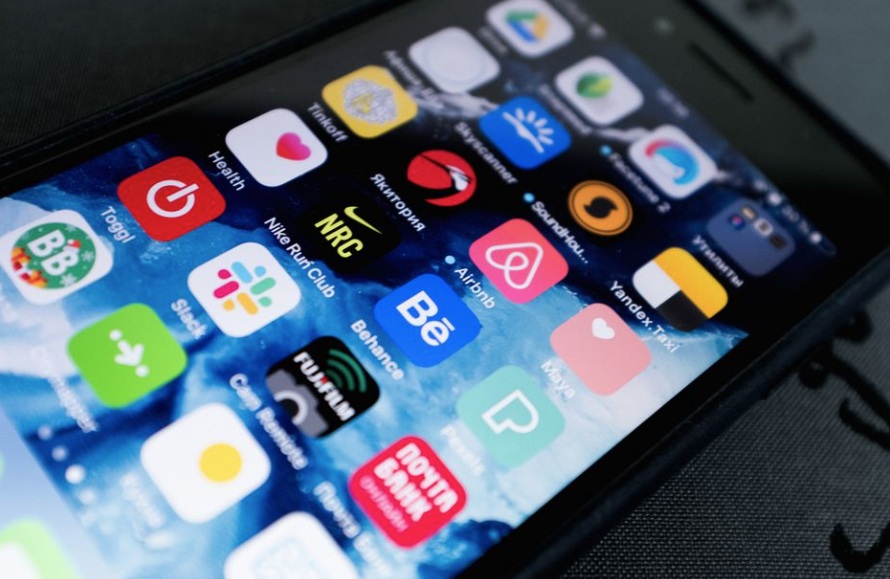
Why Instant Results Have Become So Powerful In Digital Entertainment

Digital entertainment once required patience. People waited for television schedules, game downloads, sports reports, and new episodes. Today, many digital services work in seconds.
Tap a video and it starts. Refresh a sports app and the score changes. Complete a game action and the result appears at once. Send a message and a reply may arrive before the phone leaves your hand.
This speed has changed what users expect.
Instant feedback creates a clear link between action and response. Pressing a physical button and seeing a light turn on feels natural because the result follows immediately. Digital products try to create the same effect.
Entertainment benefits especially from this short feedback loop. A player wants to know whether a move worked. A sports fan wants the latest score. A viewer expects the next video to load without a long pause. Each fast response keeps attention connected to the experience.
Smartphones have strengthened this pattern. Entertainment now fills small gaps that once went unused: five minutes in a queue, ten minutes on a bus, or a short break between tasks. Services designed for these moments cannot demand long waits.
Speed alone, however, does not create engagement. The result must also matter. Instant digital entertainment works best when quick feedback combines with curiosity, uncertainty, or progress, giving users a clear reason to care about what happens next.
Mobile Technology Has Made Waiting Feel Unnecessary
Smartphones Changed The Pace Of Entertainment
A phone is always within reach. That has changed when people expect entertainment to begin.
Users no longer need to sit at a television or computer. They can watch a clip while waiting for coffee, check a live score on a bus, or open a mobile game during a short break. These brief sessions reward services that respond at once.
A slow start can consume much of the time available.
Apps Reduce The Distance Between Choice And Action
Mobile apps remove many steps that once separated users from content.
A tap can open a stream, load a game, or display a new update. Some mobile gaming services, including formats distributed through an jetx apk, aim for the same direct path from opening the app to reaching the interactive content.
The important design principle is simple: fewer barriers create faster access.
Fast Feedback Fits Short Sessions
Mobile entertainment often happens in fragments.
Someone may have only five minutes before a train arrives. Another person may check an app between meetings. In these situations, long menus, repeated loading screens, and unnecessary steps quickly become frustrating.
Immediate feedback makes short sessions feel complete. The user performs an action, sees a result, and decides what to do next without a long pause.
Technical Speed Shapes Perceived Quality
Users do not need to understand servers or network latency to notice poor performance.
They feel it when a button responds late or content freezes. Good mobile design hides that machinery by keeping interactions smooth.
As smartphones became the main entertainment device for many people, this responsiveness stopped feeling like a bonus. Speed became part of the basic experience, changing how digital platforms are designed and how quickly users expect them to react.
Instant Feedback Turns Passive Viewing Into Active Participation
Every Response Creates A New Decision
Traditional entertainment often asks the audience to watch and wait. Interactive entertainment asks users to act.
A player chooses a direction. A viewer selects another video. A sports fan refreshes a live feed. Each action produces new information, which can lead directly to another choice.
This creates a feedback loop. Action leads to response, and response encourages the next action.
Progress Makes Fast Results More Meaningful
Immediate results become more engaging when users can see progress.
Games may show a completed level or a new achievement. Learning apps can display a score after a quiz. Fitness platforms update daily goals as soon as activity is recorded.
These signals answer a simple question: Did the action change anything?
Clear progress gives the response meaning rather than offering speed for its own sake.
Uncertainty Adds Curiosity
Not every result needs to be predictable.
A close multiplayer match stays interesting because either side may win. A live sports event holds attention because the next few seconds can change the score. Interactive stories can offer choices whose consequences appear only after the user acts.
The audience stays involved because it wants to close the gap between what might happen and what actually happens.
Delays Can Break The Loop
A long pause separates an action from its result.
When an interface freezes after every tap, users have time to lose focus. The experience begins to feel like a series of interruptions rather than one continuous activity.
Responsive systems reduce these gaps.
That is why instant feedback matters beyond simple convenience. It keeps action, result, and the next decision close together, allowing digital entertainment to feel continuous rather than fragmented.
Instant Results Work Best When Speed Has A Purpose
Fast responses have become a basic part of digital entertainment. Users now expect videos to start quickly, live information to update within seconds, and interactive features to react as soon as they make a choice.
Yet speed alone cannot hold attention.
An instant result matters when it answers a question the user cares about. Did the team score? Did the move succeed? Has progress changed? What happens after the next choice? These small questions give each response a clear purpose.
Mobile technology has made this pattern especially important. People often use entertainment during short gaps in the day. A service that takes several minutes to become useful may lose much of that opportunity. Fast loading and simple navigation allow users to spend more of their limited time on the actual experience.
Interactive formats take the principle further. They connect action, feedback, and the next decision in a tight sequence. When the system responds without noticeable delay, the experience feels continuous. When delays interrupt that sequence, attention can break.
Uncertainty can strengthen the effect as well. People pay closer attention when they understand the situation but cannot predict the next result. Live sports, multiplayer games, interactive stories, and other real-time formats all use this gap between expectation and outcome.
The strongest digital experiences therefore combine several elements. They respond quickly, make each response easy to understand, and give users a reason to care about what comes next.
That is why instant results have become so powerful. They reduce the distance between curiosity and resolution. When technology makes that distance almost disappear, digital entertainment can feel immediate, responsive, and closely connected to every choice the user makes.