
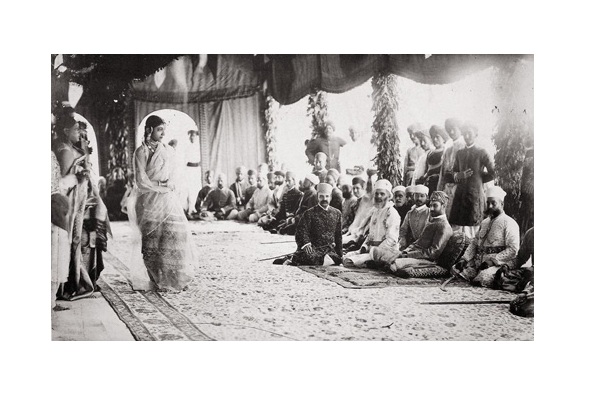
Mushairas begin as gatherings of poets and end as sentences we say without thinking. A sher recited under warm stage lights in Lucknow or Hyderabad can, within weeks, land in a WhatsApp status, a wedding toast, or a cricket commentator’s aside. The route is rarely direct, and that is what makes it interesting for anyone who loves Urdu poetry and its living afterlife in Hindi conversation.
Readers who spend their evenings between shayari feeds and the occasional online pastime, from ghazal reels to a quick round of jili fortune gems 2, often notice the same lines reappearing across very different corners of the internet. That drift, from stage to street, is worth mapping properly. Below are seven routes couplets actually take, drawn from how listeners, editors, and everyday speakers pass them along.
The Seven Routes a Couplet Travels
Not every sher survives the trip. Some are too rooted in a specific evening, some too dense in Persian vocabulary, some simply lack the internal rhythm that makes a line quotable. The ones that do move tend to follow one of the paths below, and often more than one at a time.
1. The Wah Wah Loop
The first amplifier is the crowd itself. When a sher lands, the audience repeats the second line, sometimes three or four times, and that repetition burns it into memory. People walk home already able to quote it, which is why the strongest couplets tend to have a punchy misra sani that rewards being said aloud.
2. Radio and Late Night Television
Curated mushaira broadcasts, especially the ones that used to air after the news bulletin, gave couplets a second life for listeners who were never in the hall. A Bashir Badr or Rahat Indori line reached small towns through a single Doordarshan slot, and older relatives still quote what they first heard on the family radio.
3. Film Dialogue and Lyrics
Screenwriters lift couplets shamelessly, and the good ones credit the poet in the closing titles. Once a sher enters a Hindi film scene, it becomes shorthand for a whole mood, and the audience begins using it in situations the poet never imagined. Many lines popularly attributed to films actually predate them by decades.
4. Political Speeches and Parliament
Politicians reach for couplets to soften an argument or sharpen one. A well-placed sher in the Lok Sabha travels through news clips the same evening and becomes a caption by morning. The line often outlives the debate that carried it.
5. WhatsApp Forwards and Instagram Reels
The modern mushaira happens on a phone. A thirty-second clip of a poet delivering two lines, with subtitles burned in, can cross millions of screens on a weekend. Reels compress the original performance but keep the couplet intact, which is usually enough for it to enter daily speech.
6. Wedding Toasts and Farewell Speeches
Every sehra, vidai, and retirement speech pulls from the same shared pool. Couplets on love, separation, and the passing of time fit almost any ceremony, and each use teaches a new listener the line. This is how sher by Mir or Ghalib still reach twenty-year-olds who never opened a diwan.
7. Cricket Commentary and Sports Writing
Hindi and Urdu commentators season their calls with couplets, especially during long Test sessions or IPL run chases. A line about patience or fate, dropped at the right over, sticks with viewers and turns up later in office chatter the next morning.
Why Attribution Keeps Slipping
The same qualities that make a couplet travel also make it lose its author. Once a line is quoted often enough, it starts being credited to whoever the speaker admires most, and the real poet fades. Ghalib gets lines Faiz wrote, Faiz gets lines by Jaun Elia, and Jaun in turn is credited with couplets that belong to poets still alive.
The tradition of mushaira gatherings encouraged this porousness long before screenshots, since listeners carried lines home from memory and mixed them with their own reading. Curators today spend real effort correcting these misattributions, and reader communities on shayari sites help by flagging errors in the comments.